

Description
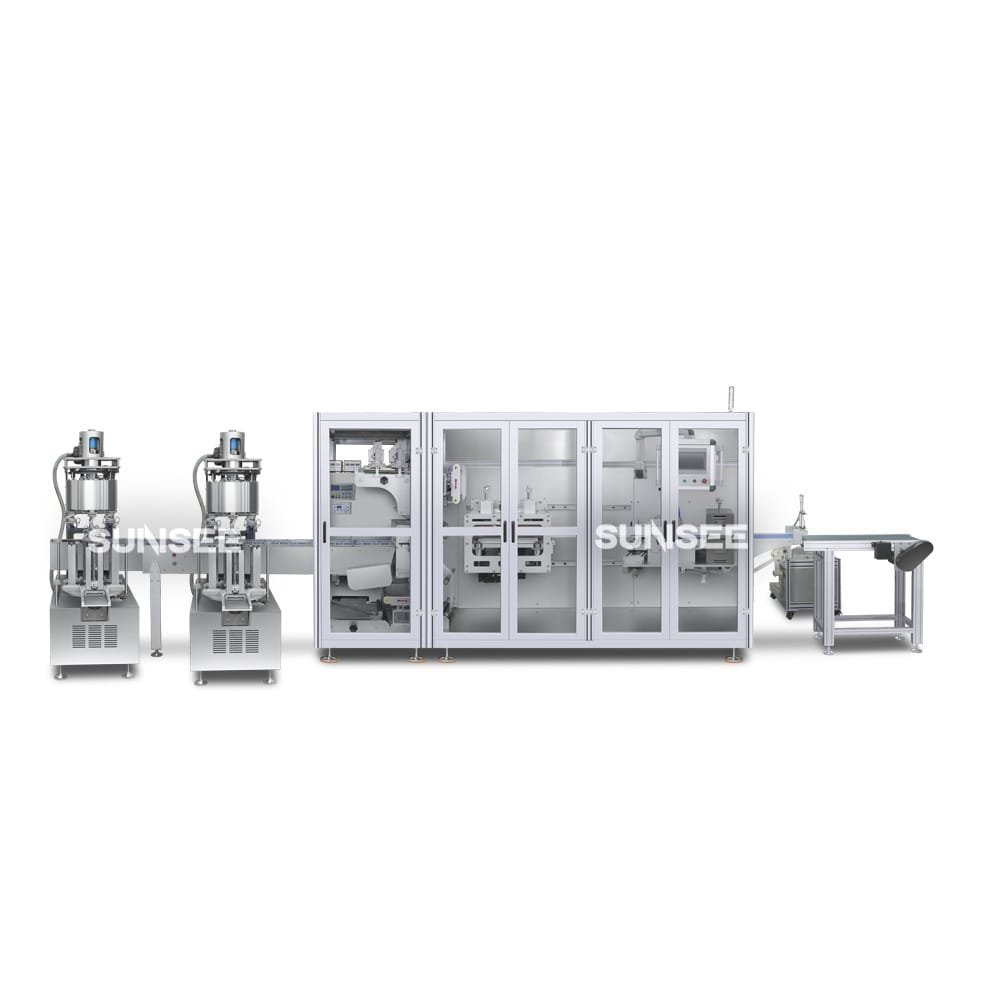
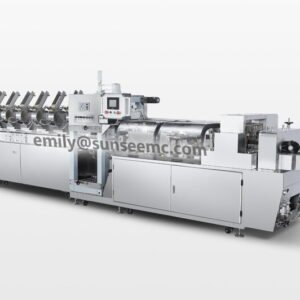
A multi-lane 4 side sealing packing machine makes several four-side sealed pouches during each working cycle. Depending on product size and pouch layout, the machine can make 1-6 packages per cycle.
Compared with a single-lane 4 side sealing machine, the multi-lane model gives much higher output for a stable product size. However, single-lane packing gives more flexibility when the buyer changes pouch sizes often.
When to Choose Multi-Lane Packing
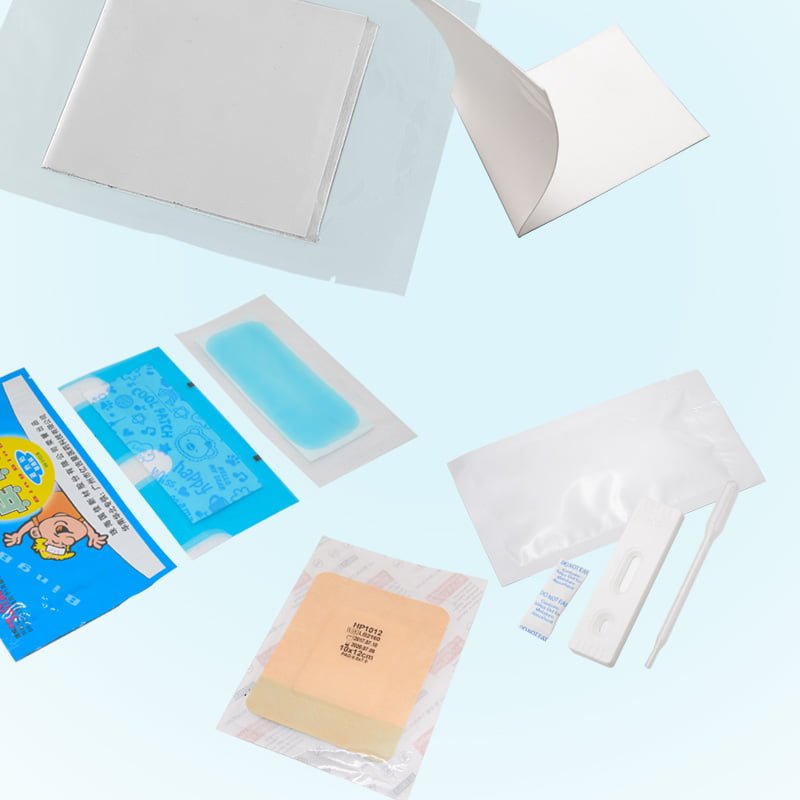
Choose a multi-lane 4 side sealing packing machine when your product has a regular size, stable shape and high production demand. For example, pain relief patches, hydrogel patches, standard plasters, teeth whitening strips and diagnostic test strips often fit this machine well.
Also, this machine works best when the factory runs one main product size for a long time. If your team changes pouch size every day, SUNSEE may recommend a single-lane machine first.
Single-Lane vs Multi-Lane 4 Side Sealing
| Buyer Question | Single-Lane Machine | Multi-Lane Machine |
|---|---|---|
| Output need | Lower or medium volume | High-volume production |
| Product size changes | Easier to change sizes | Better for stable sizes |
| Packages per cycle | Usually 1 package | 1-6 packages, depending on layout |
| Mold change | Simpler | More parts may need adjustment |
| Best fit | Trial production and many product sizes | Mass production of uniform products |
| Investment logic | Lower starting cost | Higher output from one production line |
Main Applications
| Product | Why Multi-Lane Packing Works |
|---|---|
| Transdermal patches | Regular patch size and high-volume pharmaceutical production |
| Hydrogel patches | Flat product shape and strong pouch protection need |
| Standard plasters | Stable size and repeatable packing process |
| Anti-acne patches | Small products that can run in several lanes |
| Teeth whitening strips | Compact strips that benefit from die cutting and inline feeding |
| Rapid test kits | Regular components that need sealed pouch packaging |
| Small food items, such as seaweed | Uniform shape and high market demand |
Technical Overview
| Item | Description |
|---|---|
| Machine type | Multi-lane 4 side sealing packing machine |
| Package style | Four-side sealed pouch |
| Lane quantity | 1-6 packages per cycle, depending on product and pouch size |
| Feeding method | Customized auto feeding system |
| Suitable products | Regular flat products, patches, strips, test kits and small uniform products |
| Optional process | Die cutting, auto feeding, coding, inspection and box packing |
| Packaging material | Laminated film, metallized film, paper-based material and other suitable films |
| Best production mode | High-volume production with stable product size |
Note: SUNSEE confirms final lane quantity, pouch size, speed and feeder design after checking the buyer’s product sample and packaging material.
How the Machine Works
- Product preparation
The buyer provides product samples, pouch size and material information. Then SUNSEE designs the lane layout, feeding system and sealing mold around the real product.
- Auto feeding
The auto feeder sends products into each lane. For example, hydrogel patches, harder plasters and teeth whitening strips may need different feeding designs.
- Optional die cutting
When the project needs inline patch cutting, SUNSEE can connect die cutting with the packing section. This reduces manual transfer and keeps the production flow more stable.
- Film forming and product placement
Each lane receives the product and aligns it with the packaging film. As a result, the machine can pack several pouches at the same time.
- Four-side sealing
The sealing mold seals the pouch on all four sides. This structure protects the product from moisture, air and outside contamination.
- Cutting and output
After sealing, the machine cuts the finished pouches and sends them to collection, inspection, labeling or box packing.
Customization Options
| Option | Purpose |
|---|---|
| Custom lane layout | Matches product width and target output |
| Customized auto feeder | Feeds patches, strips or test kit components accurately |
| Integrated die cutting | Connects patch cutting with pouch packing |
| Single or double die cutting mold | Supports different patch designs and liner opening styles |
| Coding device | Prints production date, batch number or traceability code |
| Sensor inspection | Checks product presence, position or packing consistency |
| Box packing integration | Connects pouch packing with downstream carton packing |
| Connection with coating line | Supports inline patch production and packaging |
Advantages
- Multi-lane output increases production capacity from one machine footprint.
- Customized feeding reduces manual handling and improves packing consistency.
- Four-side sealing gives each pouch strong protection and clean presentation.
- Inline die cutting can simplify patch production and reduce product transfer.
- Sensor inspection helps the factory control missing products or unstable feeding.
- Box packing integration can create a more complete automatic packaging line.
Auto Feeding Considerations
SUNSEE chooses the feeder according to product shape, size, thickness and surface condition. Regular products usually feed more easily, while soft hydrogel patches or small strips may need special handling.
In addition, the feeder must match the required quantity per pouch and production speed. A feeder that runs too slowly creates a bottleneck, while an unsuitable high-speed feeder may damage the product or reduce packing accuracy.
Maintenance Notes
Operators should clean the machine regularly, especially when the line packs food, medical or pharmaceutical products. Also, routine lubrication helps reduce wear on moving parts.
For stable production, the factory should inspect gears, chains and conveyor belts on schedule. After long-term operation, belts may need tension adjustment or replacement.
Buyer Checklist
To recommend the right multi-lane 4 side sealing packing machine, please send SUNSEE:
- Product name and product photo
- Product length, width and thickness
- Required pouch size
- Number of pieces per pouch
- Required output or daily capacity
- Packaging material
- Single product size or multiple product sizes
- Need for auto feeding, die cutting, coding or inspection
- Need to connect with coating line or box packing machine
- Factory voltage and air supply condition
FAQ
What is a multi-lane 4 side sealing packing machine?
It is a packing machine that makes several four-side sealed pouches during one working cycle. The lane quantity depends on product size, pouch size and required output.
How many pouches can it make per cycle?
The machine can make 1-6 packages per cycle in many projects. SUNSEE confirms the final lane number after checking the product and pouch layout.
What products suit this machine best?
Regular flat products suit it best. Common examples include transdermal patches, hydrogel patches, standard plasters, anti-acne patches, teeth whitening strips, rapid test kits and similar uniform products.
When should I choose single-lane instead?
Choose single-lane packing when you run many pouch sizes, need frequent mold changes or start with lower production volume. Multi-lane packing works better for stable, high-volume production.
Can SUNSEE add die cutting before packing?
Yes. SUNSEE can integrate die cutting with the multi-lane packing machine when the buyer wants to cut patches and pack them inline.
Can it connect with a box packing machine?
Yes. SUNSEE can connect the pouch packing machine with box packing equipment to reduce manual transfer and build a more automatic line.
What information affects the feeder design?
Product shape, thickness, softness, surface stickiness, quantity per pouch and target speed all affect feeder design. Therefore, SUNSEE needs product samples before final quotation